
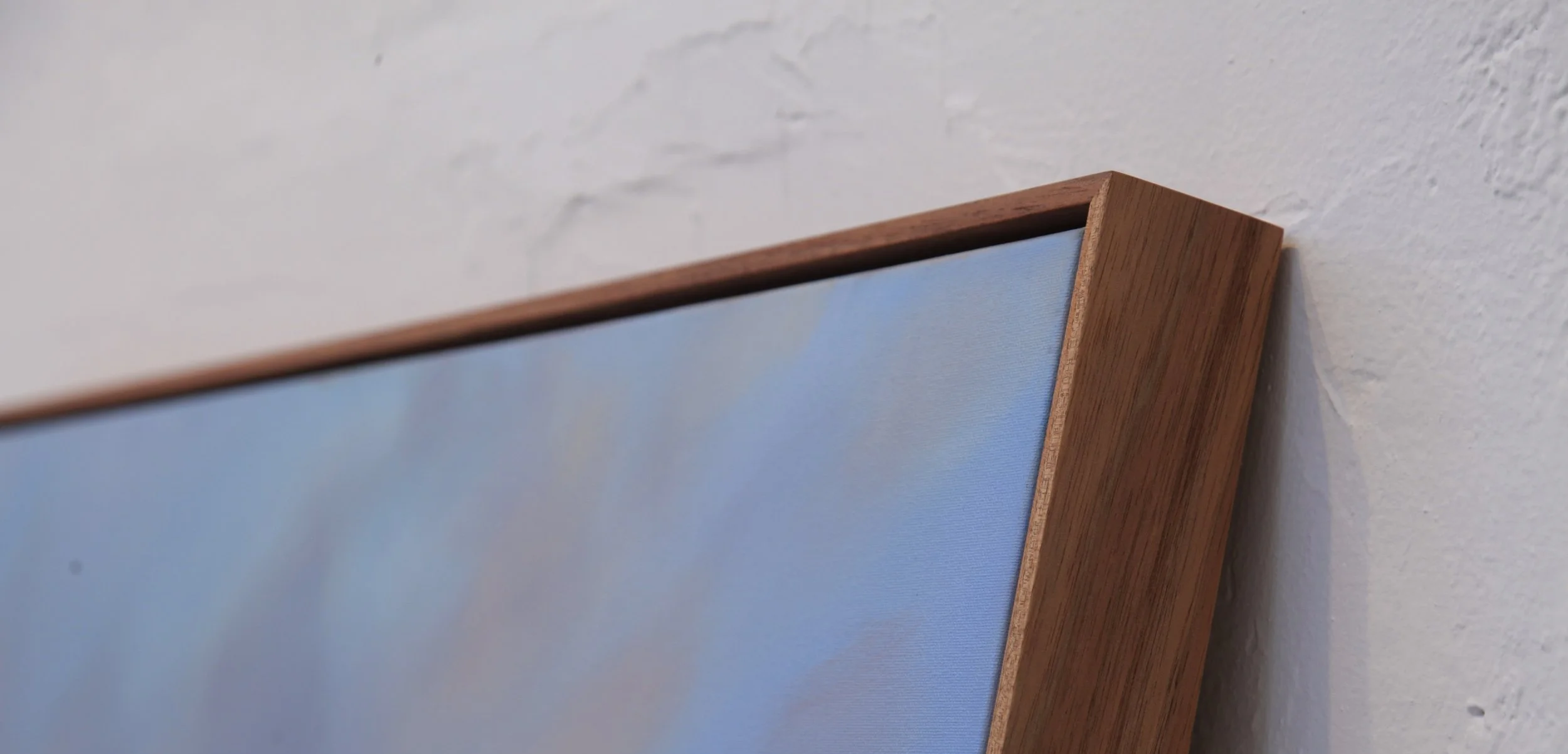
THE ART OF FRAMING
A considered guide to framing, materials and the details that make a difference.
Framing is more than the finishing touch. It shapes how we experience a work of art, drawing attention to its details, creating a sense of space and helping it find its place in the world around it.
From the choice of frame and matboard to the glass that protects it, every detail plays a part in the finished piece.
Whether you're framing an original artwork, a much-loved photograph or an object with a story to tell, understanding your options can help you make choices that feel right for both the work and the space it will live in.
We've put together this guide to help you explore the possibilities, understand the terminology and feel more confident in the decisions that go into framing.
FRAMES & FINISHES
The frame is often the first thing we notice, but its role is to work in harmony with the artwork.
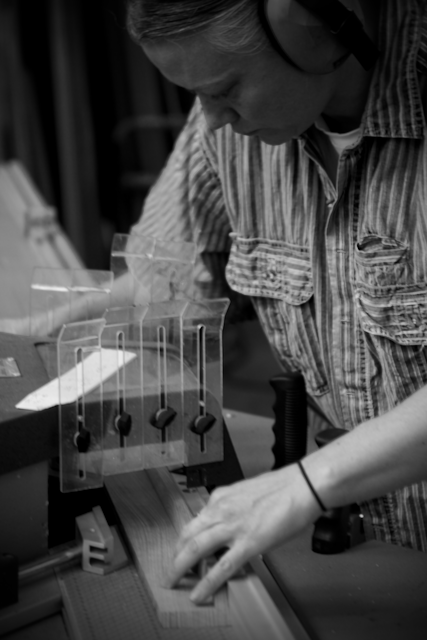
Explore the different materials, profiles, widths and finishes available, and discover how a frame can complement a piece, create contrast or give it a stronger presence.
EXPLORE:
Frame mouldings, frame profiles, finishes and corner joins.
MATBOARD & MOUNTING
Space can be just as important as the frame itself.
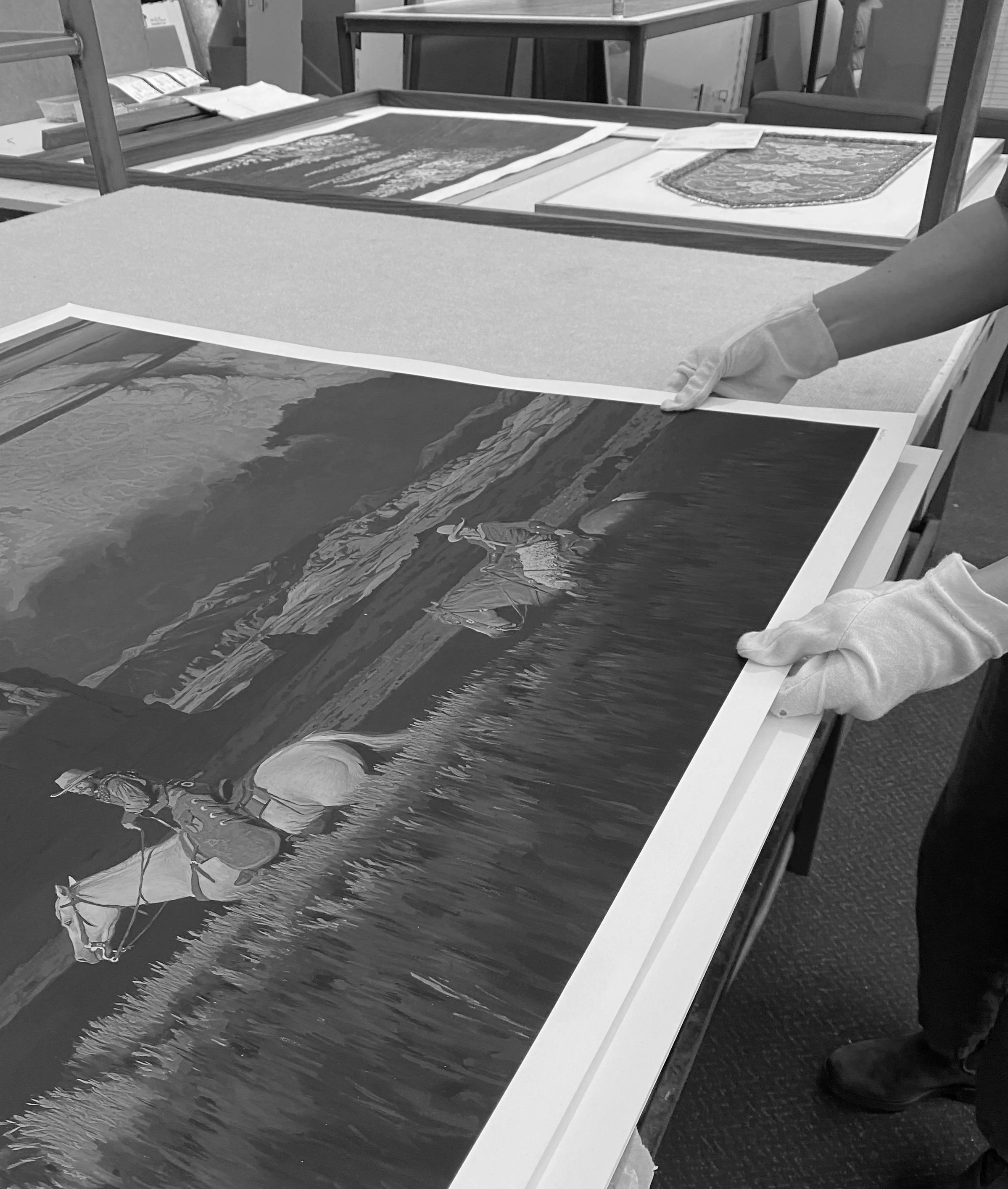
A matboard border can give an artwork room to breathe, while different mounting techniques can change the way a piece is presented. The materials and methods used can also play an important role in protecting works on paper.
EXPLORE:
Matboard, window mounts, float mounting
GLASS & PROTECTION
The right glazing helps protect an artwork while influencing how clearly we see it.
From standard glass to anti-reflective and UV-protective options, there are different considerations depending on the artwork, its location and the level of protection desired.
DIFFERENT WAYS TO FRAME
Not every artwork needs the same approach.
A photograph, a stretched canvas, a delicate print and a three-dimensional object each present different possibilities and practical considerations. The framing solution should respond to the character and needs of the piece.
CHOOSING THE RIGHT FRAME
Good framing brings the artwork, the frame and its surroundings into conversation.
Proportion, colour, texture and negative space can all influence the result. Sometimes the right frame quietly supports a piece; sometimes it creates a striking contrast. The aim is to find the balance that allows the work to be seen at its best.
MEASUREMENTS & PRACTICAL CONSIDERATIONS
A beautiful frame also needs to work in practice.
Understanding artwork dimensions, finished frame sizes, orientation, weight and hanging requirements can help you plan your framing and ensure the finished piece works in your space.
CARING FOR YOUR ARTWORK
Framing is one part of looking after the things we value.
Thoughtful placement, suitable environmental conditions and careful handling can help preserve framed works over time. Understanding the materials involved also helps you make informed decisions about their ongoing care.

SOME HANDY TERMS TO KNOW
New to framing? Here are some of the terms you may come across when exploring your options.
-
The material used to make the frame, available in a variety of widths, profiles and finishes.
-
The board surrounding an artwork within the frame. It creates visual breathing room and, when appropriately selected and fitted, can help keep the artwork separated from the glazing.
-
A technique that presents an artwork on top of its backing, allowing its edges to remain visible.
-
The protective clear layer in front of an artwork, usually glass or acrylic.
-
An approach that considers the materials and methods used to help reduce the risk of damage to an artwork over time.
-
The overall outside dimensions of the completed frame, rather than the dimensions of the artwork itself.